
-
最近の投稿
最近のコメント
- さりはま書房徒然日誌2024年9月19日(木) に さりはま より
- さりはま書房徒然日誌2024年9月19日(木) に Li より
- 隙間読書 芥川龍之介『地獄変』 に 平山和夫 より
- M.P.シール「音のする家」 に さりはま より
- M.P.シール「音のする家」 に a walker-by より
アーカイブ
- 2026年5月 (3)
- 2026年4月 (10)
- 2026年3月 (12)
- 2026年2月 (11)
- 2026年1月 (11)
- 2025年12月 (15)
- 2025年11月 (14)
- 2025年10月 (17)
- 2025年9月 (18)
- 2025年8月 (14)
- 2025年7月 (18)
- 2025年6月 (16)
- 2025年5月 (19)
- 2025年4月 (16)
- 2025年3月 (18)
- 2025年2月 (18)
- 2025年1月 (21)
- 2024年12月 (23)
- 2024年11月 (23)
- 2024年10月 (30)
- 2024年9月 (27)
- 2024年8月 (24)
- 2024年7月 (31)
- 2024年6月 (26)
- 2024年5月 (30)
- 2024年4月 (27)
- 2024年3月 (31)
- 2024年2月 (29)
- 2024年1月 (31)
- 2023年12月 (31)
- 2023年11月 (30)
- 2023年10月 (31)
- 2023年9月 (30)
- 2023年8月 (30)
- 2023年7月 (30)
- 2020年4月 (1)
- 2020年3月 (4)
- 2020年2月 (2)
- 2020年1月 (7)
- 2019年12月 (10)
- 2019年11月 (9)
- 2019年10月 (6)
- 2019年9月 (12)
- 2019年8月 (9)
- 2019年7月 (9)
- 2019年6月 (22)
- 2019年5月 (20)
- 2019年4月 (10)
- 2019年3月 (8)
- 2019年2月 (13)
- 2019年1月 (16)
- 2018年12月 (11)
- 2018年11月 (19)
- 2018年10月 (30)
- 2018年9月 (23)
- 2018年8月 (15)
- 2018年7月 (20)
- 2018年6月 (17)
- 2018年5月 (32)
- 2018年4月 (19)
- 2018年3月 (12)
- 2018年2月 (15)
- 2018年1月 (21)
- 2017年12月 (21)
- 2017年11月 (24)
- 2017年10月 (39)
- 2017年9月 (28)
- 2017年8月 (29)
- 2017年7月 (38)
- 2017年6月 (16)
- 2017年5月 (15)
- 2017年4月 (15)
- 2017年3月 (12)
- 2017年2月 (16)
- 2017年1月 (15)
- 2016年12月 (15)
- 2016年11月 (19)
- 2016年10月 (20)
- 2016年9月 (19)
- 2016年8月 (20)
- 2016年7月 (30)
- 2016年6月 (22)
- 2016年5月 (14)
- 2016年4月 (20)
- 2016年3月 (22)
- 2016年2月 (16)
- 2016年1月 (20)
- 2015年12月 (26)
- 2015年11月 (17)
- 2015年10月 (22)
- 2015年9月 (23)
- 2015年8月 (18)
- 2015年7月 (19)
- 2015年6月 (17)
- 2015年5月 (20)
- 2015年4月 (18)
- 2015年3月 (18)
- 2015年2月 (18)
- 2015年1月 (23)
- 2014年12月 (27)
- 2014年11月 (25)
- 2014年10月 (27)
- 2014年9月 (24)
- 2014年8月 (23)
- 2014年7月 (24)
- 2014年6月 (27)
- 2014年5月 (25)
- 2014年4月 (24)
- 2014年3月 (21)
- 2014年2月 (15)
- 2014年1月 (20)
- 2013年12月 (18)
- 2013年11月 (21)
- 2013年10月 (12)
- 2013年9月 (28)
- 2013年8月 (12)
- 2013年7月 (18)
- 2013年6月 (28)
- 2013年5月 (33)
- 2013年4月 (37)
- 2013年3月 (27)
- 2013年2月 (32)
- 2013年1月 (38)
- 2012年12月 (10)
- 2012年11月 (2)
- 2012年10月 (3)
- 2012年9月 (5)
- 2012年8月 (5)
- 2012年7月 (11)
- 2012年6月 (13)
- 2012年5月 (19)
- 2012年4月 (1)
カテゴリー
- 2017年 (87)
- 2018年 (101)
- 2019年 (26)
- M.P.シールの部屋 (6)
- さりはま書房徒然日誌 (741)
- アビジット・バナジーとエスター・デュフロ (11)
- アメリカ政治 (5)
- アーサー・モリスン (190)
- ギリシャ危機 (7)
- クルーグマン (12)
- サキ (302)
- シリア (1)
- ジャェイゴウの子ども (217)
- チェスタトンの部屋 (428)
- チャプター3 (20)
- ティム・ハーフォード (2)
- ホワイトハウス (8)
- ポール・ラファルグ 怠ける権利 (3)
- ポール・ローマー (2)
- マンアライヴ (427)
- マーシャル経済学原理 (54)
- マーシャル経済学原理4章 (22)
- ミドルマーチ (10)
- ミドルマーチ1巻 (10)
- ユニセフ (1)
- リチャード・ミドルトン (5)
- ロンドン・タウンへ (269)
- 三猿金泉録 (1)
- 再検討「耐えがたきバシントン」 (104)
- 労働問題 (10)
- 原子力発電 (1)
- 国連 (1)
- 夏祭浪花鑑2017年7月 (4)
- 怪談 (13)
- 教育 (14)
- 文楽 (4)
- 日本 (13)
- 未分類 (87)
- 英国怪談 (14)
- 読書日記 (210)
- 道徳感情論セクション2 (38)
- 道徳感情論第1部第1篇 (47)
- 開発経済学 (11)
- 音のする家 (6)
- 高齢者の労働問題 (3)
メタ情報
チェスタトン「マンアライヴ」二部Ⅴ章第447回
「雲も、木もゆれているわ」ロザムンドは言った。「嵐がくるわよ。なんだか、わくわくする。マイケルときたら、ほんとうに嵐そのものよ。彼のせいで怖くもなるし、幸せにもなるから」
「怖がらないで」メアリーは言った。「たしかに、あの人たちにはひとつ長所があるわ。外に出て行く人たちだということなの」
突風が木々を吹き抜け、小道に枯れ葉を吹きよせた。そしてはるか彼方の木立から、ざわざわという音がかすかに聞こえてきた。
「つまり、こういうことなの」メアリーは言った。「外を眺めては、世界に興味をもつ人たちなのよ。だから、議論していようと、自転車をこいでいようと、哀れなるイノセントがしたように世界の果てを壊しても、まったく問題ないわ。しがみつくのよ、窓の外を眺めて、世界を理解しようとする男に。でも避けて、窓から中をのぞきこんで、あなたを知ろうとする男は。哀れなるアダムが畑仕事に出かけたら、(アーサーも、やがて畑仕事に出かけるでしょうけど)他の者がやってきて、のろのろ近づいてきたというわけ。なんてずるいのかしら」
“The clouds and trees are all waving about,” said Rosamund. “There is a storm coming, and it makes me feel quite excited, somehow. Michael is really rather like a storm: he frightens me and makes me happy.”
“Don’t you be frightened,” said Mary. “All over, these men have one advantage; they are the sort that go out.”
A sudden thrust of wind through the trees drifted the dying leaves along the path, and they could hear the far-off trees roaring faintly.
“I mean,” said Mary, “they are the kind that look outwards and get interested in the world. It doesn’t matter a bit whether it’s arguing, or bicycling, or breaking down the ends of the earth as poor old Innocent does. Stick to the man who looks out of the window and tries to understand the world. Keep clear of the man who looks in at the window and tries to understand you. When poor old Adam had gone out gardening (Arthur will go out gardening), the other sort came along and wormed himself in, nasty old snake.”
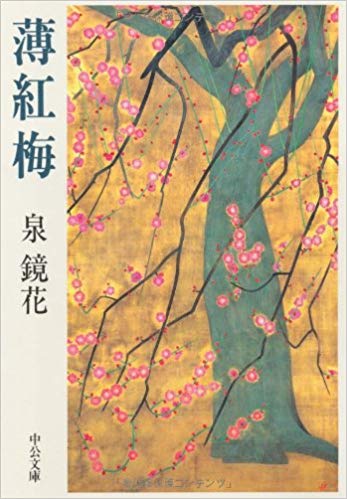
2018.11 隙間読書 泉鏡花「薄紅梅」
「鏡花を読んでみたくて、読むたびに挫折する。でも今でも鏡花を読んでみたい」という声を聞くと、やはり考えてしまう。なぜ鏡花に挫折するのか…と。そして、それでもなぜ鏡花が読みたくなるのか…と。
◆なぜ鏡花に挫折してしまうのか その一
何といっても知らない日本語が多い。この「薄紅梅」を読むのも広辞苑では役に立たず、日本国語大辞典をひきまくった。ジャパンナレッジの会員だからタブレットで楽にひけるが、何巻もの紙の日本国語大辞典しか使えなければ、手が筋肉痛になってしまいそうである。
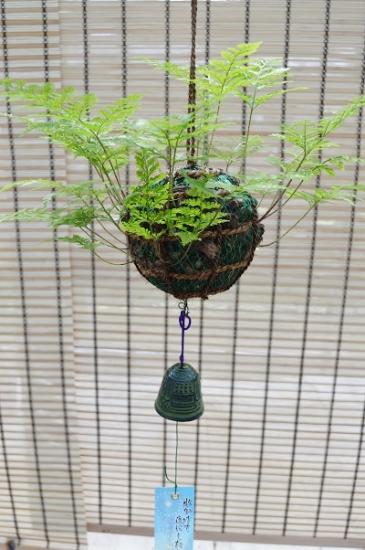
たとえば最後に引用している「薄紅梅 四」で大切な役割を果たしている「釣忍」である。これは広辞苑にも、日本国語大辞典にも意味がのっている。日本国語大辞典では、こう説明している。
忍草(しのぶくさ)を集めてその根をたばね、いろいろの形につくり、軒先などにつるして涼感をそえるもの。
まだまだイメージが浮かんでこない。
さらに画像を探せば、見慣れたものが出てくる。なんだ、これを釣忍と言うのか! 鏡花の時代には当たり前に使われていた日本語が急速に失われている昨今、なかなか情景を思い浮かべることは難しい。
釣忍
◆なぜ鏡花に挫折してしまうのか その二 「夢かうつつか」の世界
「薄紅梅」にでてくる言葉「夢かうつつか」のとおり、鏡花の作品は「うつつ」の途中で「夢」になり、また「うつつ」へと…と行ったり来たりである。理詰めで考えがちな現代人にすれば、「夢かうつつ」の世界のなかで道を失って途方にくれて挫折してしまう。
◆なぜ鏡花に挫折してしまうのか その三「尾花を透かして、蜻蛉の目で」視点
「薄紅梅」に何回か繰り返される印象的な歌部分を抜き出してみた。
ここから、南瓜の葉がくれに熟と覗くと、霧が濃くなり露のしたたる、水々とした濡色の島田髷に、平打がキラリとした。中洲のお京さん、一雪である。
糸七は、蟇と踞み、
南瓜の葉がくれ、
尾花を透かして、
蜻蛉の目で。
南瓜の葉の陰から覗く景色は、何とも美しいことだろう。
芒の穂のあいまに隙間をつくって蜻蛉のような複眼でみる景色は、空間軸がねじれ、不思議な眺めだろう。
鏡花が書いたのはそうした世界。蜻蛉の複眼をもたない身の哀しさよ、私たちが挫折するのも無理もない。
◆でも挫折の原因は鏡花の魅力だったりもする
いにしえの言葉「百蓮華」とか「未開紅」は、辞書をひかなければ意味も分からないけれど、その言葉の美しさにまず惹かれる。鏡花作品は、意味はよく分からないけれど美しい言葉を散りばめた万華鏡。
「夢かうつつか」も、「蜻蛉の目」も理詰めで筋を考えていけば迷子になる。でも心にひろがる不思議な光景にひたれば、それは心地よいものではなかろうか?
◆「うつつ」から「夢」へ、また「うつつ」への跳躍、不思議な赤蜻蛉視点が入り混じる魅力を「薄紅梅」お気に入りの箇所「三」で考えてみた!
古本屋の女房の昼下がりを描いた「うつつ」の文(青字)が、赤蜻蛉の飛行を描写する赤蜻蛉視点の文(赤字)のあと一転して、釣忍を人に見立て、古本屋の女房と戯れるエロチックな夢の場面へと変わる(ピンク字)。「――こういう時は、南京豆ほどの魔が跳るものと見える。――」と鏡花の声が響き、また「うつつ」へと変わる。
一つの章のなかに、これだけ「夢」「うつつ」「赤蜻蛉の視点」が入り混じる。そして、この綱渡りが作品全体にひろがっていくのである。鏡花作品に挫折するのも無理はない。同時にこの不思議な世界に憧れるのも無理はない。
泉鏡花「薄紅梅 三」より
遅い午餉だったから、もう二時下り。亭主の出たあと、女房は膳の上で温茶を含んで、干ものの残りに皿をかぶせ、余った煮豆に蓋をして、あと片附は晩飯と一所。で、拭布を掛けたなり台所へ突出すと、押入続きに腰窓が低い、上の棚に立掛けた小さな姿見で、顔を映して、襟を、もう一息掻合わせ、ちょっと縮れて癖はあるが、髪結も世辞ばかりでない、似合った丸髷で、さて店へ出た段取だったが……
――遠くの橋を牛車でも通るように、かたんかたんと、三崎座の昼芝居の、つけを打つのが合間に聞え、囃の音がシャラシャラと路地裏の大溝へ響く。……
裏長屋のかみさんが、三河島の菜漬を目笊で買いに出るにはまだ早い。そういえば裁縫の師匠の内の小女が、たったいま一軒隣の芋屋から前垂で盆を包んで、裏へ入ったきり、日和のおもてに人通りがほとんどない。
真向うは空地だし、町中は原のなごりをそのまま、窪地のあちこちには、草生がむらむらと、尾花は見えぬが、猫じゃらしが、小糠虫を、穂でじゃれて、逃水ならぬ日脚の流が暖く淀んでいる。
例の写真館と隣合う、向う斜の小料理屋の小座敷の庭が、破れた生垣を透いて、うら枯れた朝顔の鉢が五つ六つ、中には転ったのもあって、葉がもう黒く、鶏頭ばかり根の土にまで日当りの色を染めた空を、スッスッと赤蜻蛉が飛んでいる。軒前に、不精たらしい釣荵がまだ掛って、露も玉も干乾びて、蛙の干物のようなのが、化けて歌でも詠みはしないか、赤い短冊がついていて、しばしば雨風を喰ったと見え、摺切れ加減に、小さくなったのが、フトこっち向に、舌を出した形に見える。……ふざけて、とぼけて、その癖何だか小憎らしい。
立寄る客なく、通りも途絶えた所在なさに、何心なく、じっと見た若い女房が、遠く向うから、その舌で、頬を触るように思われたので、むずむずして、顔を振ると、短冊が軽く揺れる。頤で突きやると、向うへ動き、襟を引くと、ふわふわと襟へついて来る。……
「……まあ……」
二三度やって見ると、どうも、顔の動くとおりに動く。
頬のあたりがうそ痒い……女房は擽くなったのである。
袖で頬をこすって、
「いやね。」
ツイと横を向きながら、おかしく、流盻が密と行くと、今度は、短冊の方から顎でしゃくる。顎ではない、舌である。細く長いその舌である。
いかに、短冊としては、詩歌に俳句に、繍口錦心の節を持すべきが、かくて、品性を堕落し、威容を失墜したのである。
が、じれったそうな女房は、上気した顔を向け直して、あれ性の、少し乾いた唇でなぶるうち――どうせ亭主にうしろ向きに、今も髷を賞められた時に出した舌だ――すぼめ口に吸って、濡々と呂した。
――こういう時は、南京豆ほどの魔が跳るものと見える。――
パッと消えるようであった、日の光に濃く白かった写真館の二階の硝子窓を開けて、青黒い顔の長い男が、中折帽を被ったまま、戸外へ口をあけて、ぺろりと唇を舐めたのとほとんど同時であったから、窓と、店とで思わず舌の合った形になる。
女房は真うつむけに突伏した、と思うと、ついと立って、茶の間へ遁げた。着崩れがしたと見え、褄が捻れて足くびが白く出た。
「夢」「うつつ」「赤蜻蛉視点」がいりまじる「薄紅梅」、私には難しい作品ではあるけれど、どこが「夢」で、どこが「うつつ」なのか少しずつ考えて楽しんでいきたい。
2018.11.16読了
2018.11 隙間読書 「皆川博子の辺境薔薇館」
河出書房新社
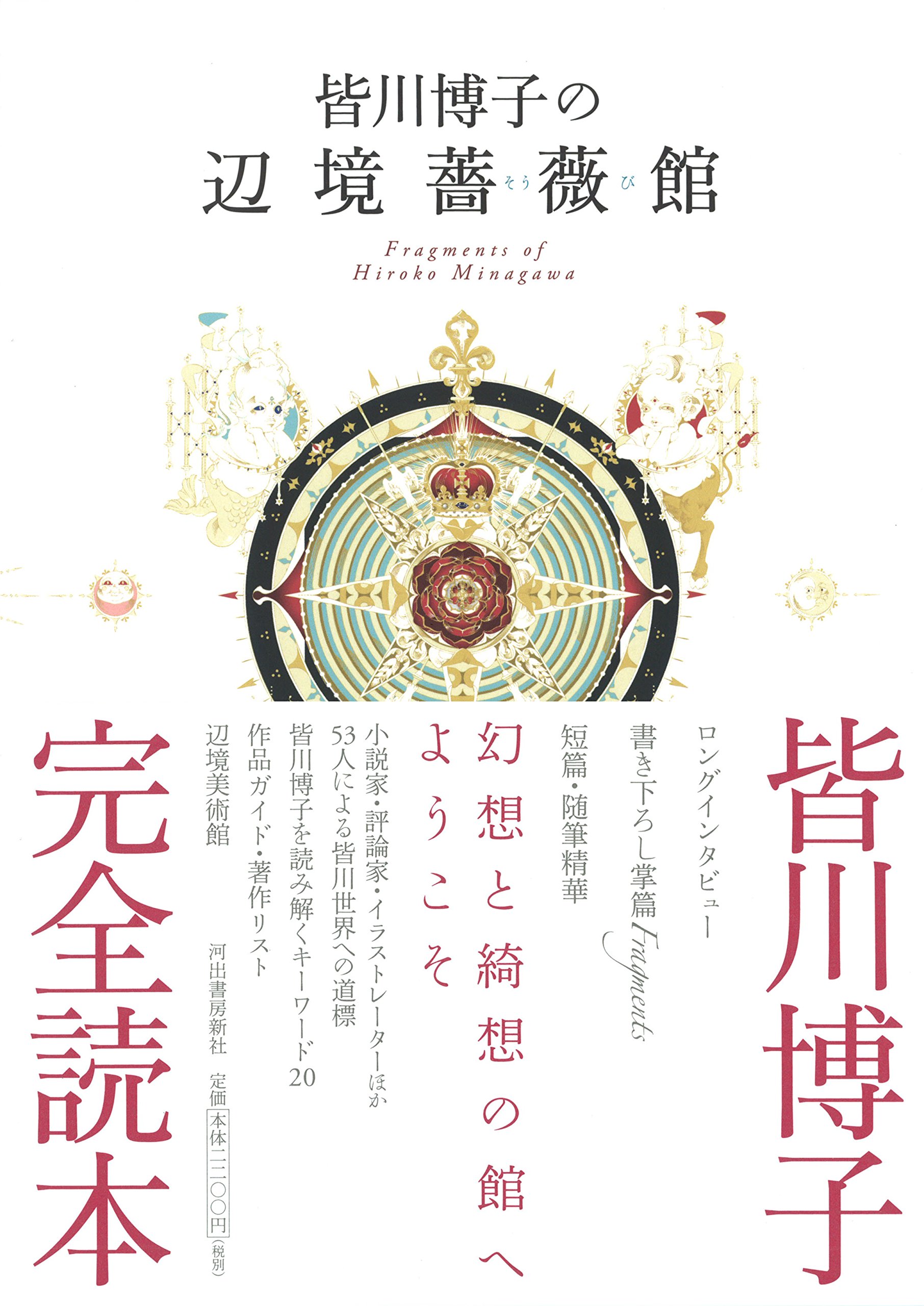
皆川博子完全読本の帯コピーにふさわしい本。頁をめくるたびに読みたい本、心に残る言葉、そしてそれぞれの皆川博子愛に出会う。
短編「風」「砂嵐」「お七」「廃兵院の青い薔薇」「ひき潮」「美しき五月に」「水引草」を読み、家にあった文学全集に読むふける姿とそんな本好きの乙女の心に影を深くおとした戦争をしみじみ思う。
石井千湖氏によるロングインタビュー「皆川博子をつくったもの」
読書以外に耽溺していることはありますか?という問いにきっぱり一言「ありません」という答えがいいなあ。
「敗戦で世間の倫理道徳観が百八十度転換したことは、私にとって大きかった」との答えも心に残る。
皆川博子随筆「時代の歌」「楽屋の鏡」「無人島へ持っていく本『江戸語辞典』」「絵と私」「暗号の旅」「酩酊船」「幻想作家についての覚え書き」
無人島へ持って行きたい本として三好一光という人が、戯作、歌舞伎台本、川柳などから江戸俗語一万語を選んで五十音順に並べたという「江戸語事典」をあげているが、私も欲しい。そんな本をもって無人島へ行けたら素敵だと思うことしきり。
様々な分野で活躍されている39人が語る皆川氏の魅力。
新保氏が語る皆川博子の逸話は、泡坂妻夫の「11枚のトランプ」を買って家で読むのが待ちきれず、飛び込んだ喫茶店で、ページごとに切り開かないといけないフランス装のページをティースプーンで切り開いて読んだというもの。
東雅夫氏が語る思い出は、幻想文学編集室に皆川博子から送られてきた書籍に米倉斉加年デザインの便箋に淡いモーブのインクで書いた手紙が添えられていたというもの。
ティースプーンで本の頁を切り開く姿も、モーブのインクで手紙を記す姿も、同じ皆川博子なのだなあと興味深く読む。
東雅夫氏による「皆川博子を読み解くキーワード20」
20のキーワードにわけての東氏の解説に、こんな作品もあるのか、こんな読み方もできるのかと参考になる。とくに興味深いのが「詩歌」の項目。ここで紹介されている「蝶」「聖女の島」「ゆめこ縮緬」を読んでみたい。
それから「人形」のキーワードも気になる。「春指人形」「吉様いのち」「顔師・連太郎と五つの謎」「朱模様」「そこは、わたしの人形の」も読んでみたい。
最後に掲載されている日下三蔵氏の皆川博子作品リストは、タイトル・ジャンル / 短編連作集の収録作 / 発行年月日 / 出版社 / シリーズ・叢書名 / 判型 / カバー・帯の有無 / 解説者 / 注記 まで網羅している大変有難い労作である。このリストや様々な方のご意見を参考に皆川作品を読んでいたきたい。
2018/11/11読了
チェスタトン「マンアライヴ」二部Ⅴ章第446回
「強い風が吹いてきたわ」ロザムンドがふと言った。「むこうの木を見て。ずっとむこうの木よ。雲も飛んでいくように流れている」
「何を考えているのか察しがつくけど」マリーは言った。「愚かな馬鹿者にはならないでほしいの。女作家に耳をかたむけてはだめよ。王の道を進んでいきなさい。絶対的真理をもとめて。そう、絶対的真理をもとめるのよ。たしかに私の愛するマイケルはしょっちゅうだらしない。アーサー・イングルウッドもさらにひどいし、だらしないでしょうよ。それにしても、あの木も、雲も何のためにあるのかしら?ねえ、ばかなお転婆娘さん」
「雲も、木もみんな揺れているわ」ロザムンドは言った。「嵐が来るわよ。でも嵐のせいで、どいうわけか、わくわくしてしまう。マイケルも嵐のようなものね。彼のせいで怖くなるんだけど、幸せも感じるのよ」
“There is a gale getting up,” said Rosamund suddenly. “Look at those trees over there, a long way off, and the clouds going quicker.”
“I know what you’re thinking about,” said Mary; “and don’t you be silly fools. Don’t you listen to the lady novelists. You go down the king’s highway; for God’s truth, it is God’s. Yes, my dear Michael will often be extremely untidy. Arthur Inglewood will be worse—he’ll be untidy. But what else are all the trees and clouds for, you silly kittens?”
“The clouds and trees are all waving about,” said Rosamund. “There is a storm coming, and it makes me feel quite excited, somehow. Michael is really rather like a storm: he frightens me and makes me happy.”
チェスタトン「マンアライヴ」二部Ⅴ章第445回
「だけど、もし男のひとたちがそうしたものを欲しがれば」とダイアナは言いかけた。
「あら、男のひとたちについて話したところで何になるのかしら?」メアリーはいらいらとして叫んだ。「そんなことをするくらいなら、女性の小説家か、なにか怖ろしいものになったほうがましだわ。男のひとたちなんていないの。そんなものを欲しがる人たちなんていないのよ。ただひとりの男がいるだけなの。その男が誰であれ、変わっていることにちがいないわ」
「そういうことなら、為す術はないわね」ダイアナは声をひそめて言った。
「あら、そうかしら」メアリーは軽く受け流した。「二つだけ、みんなにあてはまることがあるの。妙なときに、私たちの世話をやいてくれるのだけど、自分たちの世話はやかないのよ」
“But if men want things like that,” began Diana.
“Oh, what’s the good of talking about men?” cried Mary impatiently; “why, one might as well be a lady novelist or some horrid thing. There aren’t any men. There are no such people. There’s a man; and whoever he is he’s quite different.”
“So there is no safety,” said Diana in a low voice.
“Oh, I don’t know,” answered Mary, lightly enough; “there’s only two things generally true of them. At certain curious times they’re just fit to take care of us, and they’re never fit to take care of themselves.”
2018.11 隙間読書 シャミッソー「影をなくした男」池内紀訳
この本は、幼い頃、今は亡き父に買ってもらった思い出のある本。子供向けにリライトしたもので、世界少年少女名作文学全集のなかの一冊だったように思う。幼心にも、影をくるくる巻き取る場面や影と再会する場面が面白く、記憶の底に残っていた。
今回、東雅夫氏の文豪ノ怪談精読講座で北原白秋「影」の関連で紹介されて何十年ぶりに読む。
東氏の北原白秋「影」の註によれば、白秋が「影」を執筆した当時、シャミッソーはまだ訳されていなかった。でもドイツ文学に傾倒していた友人の太田正雄(木下杢太郎)を介して、白秋が内容を知っていた可能性があるらしい。
さらに東氏は、太田が白秋たちと共に著した「五足の靴」のキイ・コンセプトである「旅する靴」は、シャミッソー「影をなくした男」の「一歩あるけば七里を行くという魔法の靴」に通じるものがるという指摘を興味深く読む。
池内氏の翻訳で読んでみて、改めて「影をなくした男」は、そういう話だったのかあと長い年月を経て納得する。同時に池内氏の訳文がシャミッソーの不思議な世界を自然に再現していることに驚く。あとがきで池内氏が記されている今までの「影をなくした男」を訳された翻訳者たちの思い出、それぞれの翻訳のすばらしさをしるした文も興味深い。
岩波文庫版で読んだが、本の中に多数はさまれたエミール・プレートリウスの挿絵も楽しく、「影をなくした男」の内容も楽しく童心にかえって読んだ。
「なぜ影をなくして、これほどいたたまれない思いをしたのか?」という疑問もあったが、池内氏の解説にシャミッソーが生きた時代は影絵が大流行した影の時代という解説に納得する。シャミッソーもフランス革命でフランスからドイツへと逃れた貴族の子供であり、ドイツで暮らしてはフランスへ戻り…と根無し草のような生活だったらしい。
シャミッソーが最初考えたのはパロディであり、冒険譚だったかもしれないが、池内氏の言葉によれば「なにげなく書きだしたたわいのない物語が、いつしか作者をこえて当人が思ってもみなかった方向に成長していった」らしい。それだけの魅力をもつ影の力を感じつつ頁を閉じる。
2018.11.10読了
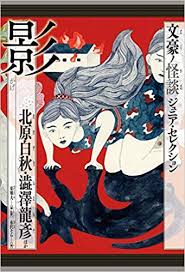
2018.11 隙間読書 東雅夫「文豪ノ怪談ジュニア・セレクション『影』」
梶井基次郎「Kの昇天」
Kの死が溺死だったのか、それとも過失だったのかと思い悩んで手紙を送ってきた相手に、Kと海辺で知り合って一ヶ月ほどの「わたし」がKとの出会いについて記した…という設定。
手紙を書いてきた「あなた」とは女性なのだろうか? Kと「わたし」の海での位置関係は? という具体的なことは記されず……そのせいで影の魅力、月の魅力を強く感じるような気がする。
影をじーっと見凝めておると、そのなかにだんだん生物の相があらわれて来る。ほかでもない自分自身の姿なのだが。
K君が昇天していく場面は、なんど繰り返し読んでも飽きない美しさがある。
そしてある瞬間が過ぎて、K君の魂は月光の流れに逆らいながら徐々に月の方へ登ってゆきます。K君の身体はだんだん意識の支配を失い、無意識な歩みは一歩一歩海へ近づいて行くのです。影の方の彼はついに一箇の人格を持ちました。K君の魂はなお高く昇天してゆきます。
最後に東氏の註をまとめ読みしていると、柳田民俗学に影響をあたえたハイネ「精霊物語」「流刑の神々」、富ノ澤鱗太郎「セレナアド」、ラフォルグ「聖母なるピエロのまねび」、澁澤龍彦「幻妖」と読んでみたい本を続々と発見……うれしいような、幸せな満足感にひたる。
2018/11/6
岡本綺堂「影を踏まれた女」
冒頭の秋の描写も、おせきという娘の描写も美しいだけに、だんだん「おせき」が影をふまれて心が不安定になっていく様子が不気味である。
冒頭は子供達の遊びの様子を無邪気に語りながら、秋の月の描写がもしい。
秋の月があざやかに冴え渡って、地に敷く夜露が白く光っている宵々に、町の子供たちは往来に出て、こんな唄を歌いはやしながら、地にうつる彼等の影を踏むのである。
子供たちに影を踏まれた「おせき」の心が崩れていく様子を語る言葉も興味深い。
幾つかの小さい黒い影が自分の胸や腹の上に踊っている夢をみた。
「おせき」の影も、最初は要次郎と仲むつまじく描かれているだけに、後の彼女の影の急変が余計に印象に残る。
昔から男女の影は憎いものに数えられているが、要次郎とおせきはその憎い影法師を土の上に落としながら、擦寄るように並んで歩いていた。
2018.11.07読了
柳田國男「影」
東氏の註には、私の知らない柳田の側面が記されていて興味深い。
柳田がハイネを愛読し、その影響が顕著な恋愛詩を書いているとは!
柳田の恋愛詩の対象には、実在の人物がいるとは!
しかも其の女性が十八歳の若さで亡くなっているとは!
其の女性の死後、柳田が恋愛詩の筆を折っているとは!
柳田の意外な顔に驚きの連続であった。
「影」は典雅な語調にも魅力がるし、野に嘆きにきた人の影がそこにとどまり、その影が実体である人間よりもはるかに長く生きる…という影の勝利という発想にも魅力があるように思う。
斯して影なる二人は、手をとりかはして、名もなき小野を都とも思ひつ重ねつゝ、夕暮毎に其恋を楽むことも、早幾十年かになりぬ。今より後の千年も、亦かくして過るならむ。
唯憫むべきは此影の主なり、彼等は終にうち解くる日もなくて、各其嘆を嘆きつゝ、共に苔の下に入りき、其墓所さへもたち隔りつゝ。
2018.11.08読
水野葉舟「跫音」
森のなかに住む「わたし」は毎晩、毎晩、忍び寄ってくる足音をきく。ある晩、「わたし」も足音の主がこう歩いているのだろうと真似をして歩き、自分の部屋に近づいて覗き込むと其処には…という話。
山桜、ひめしゃら…幹がきれいな木が好きな私としては、なぜ葉舟が木の幹の描写をしているのかが気になった。
(略)森の大木の幹が、何とも云えぬ古びた色をしてその皺までが見える。
さらに友人の妹も「幹子」さんではないか?舞台になっているのが、森の中だからだろうが、それにしても幹にこだわっているなあ、なぜなのだろうか?
短い作品ながら東氏の註をまとめ読みしていると、気になる本ばかり。ラング「夢と幽霊の書」、横山茂雄「遠野物語とその周辺」、東雅夫「遠野物語と怪談の時代」、葉舟「心の響 列伝体代表的新体詩集」、葉舟の怪奇幻想小品も読んでみたい。
2018.11.09
泉鏡花「星あかり」
墓原、卵塔場…墓地をあらわす日本語もいろいろあるものと思いながら読んでいくうちに、だんだん自分が墓地を歩いているような気持ちになる。この迫るような墓地描写は、墓散策を愛した鏡花の実体験に由来するものではないだろうか?
冷たい石塔に手を載せたり、湿臭い塔婆を摑んだり、花筒の腐水に星の映るのを覗いたり、漫歩(そぞろあるき)をして居たが
東氏の註にも「十八世紀ロマン派の墓畔詩人さながら、鏡花も仄暗い墓地のたたずまいを愛してやまなかった」とある。
以下の文は長いけれど、これで一つの文。鏡花らしい心地よい長文のリズム。最初は「自分」の様子について形容する言葉がつづき、それから自分の思いを「~してはならぬ」の繰り返しで強く語った次にくるのは「まあ」で始まる驚き。そこで待つのは屋根や挽臼が睨めつける不思議な世界。その不思議な世界に驚く「自分」の心をまた形容詞の連続で語る。ひとつの文でこれだけの心の動きを表現する鏡花はすごいと吐息。
何か、自分は世の中の一切(すべて)のものに、現在(いま)、恁(か)く、悄然(しょんぼり)、夜露で重ッ苦しい、白地の浴衣の、しおれた、細い姿で、首(こうべ)を垂れて、唯一人、由比ガ浜へ通ずる砂道を辿ることを、見られてはならぬ、知られてはならぬ、気取られてはならぬというような思(おもい)であるのに、まあ! 廂(ひさし)も、屋根も、居酒屋の軒にかかった杉の葉も、百姓屋の土間に据えてある粉挽臼(こなひきうす)も、皆目を以て(もっ)て、じろじろ睨(ね)めつけるようで、身の置処ないまでに、右から、左から、路をせばめられて、しめつけられて、小さく、堅くなって、おどどして、その癖、駆け出そうとする勇気はなく、凡そ人間の歩行に、ありッたけの遅さで、汗になりながら、人家のある処をすり抜けて、ようよう石地蔵の立つ処。
2018.11.09読了
北原白秋「秋」
谷中天王寺前に住む「僕」が目にした影のない男。その話だけでも怖いが、さらに「僕」の家でかつて書生をしていた青年が影のない男の家をのぞくと…という展開も怖い。
だが何よりも、今とはまるで違う谷中界隈の描写に心をうばわれる。谷中墓地から抜けた「僕」が目にするのは……
下は根岸から三の輪、三河島、浅草、向島、千住、田端へかけて、まるでイルミネーションの海だね。
そして東氏の註も谷中界隈の歴史について地名ごとに詳しく記しているので、谷中の歴史散歩をしているようで楽しい。御殿坂の下の乞食坂、道灌山の高台にあったガス・上下水道・電話完備の渡辺町のことも、渡辺町が金融恐慌を機に渡辺家から離れたことも初めて知ることばかりで楽しかった。
2018.11.9読了
山川方夫「お守り」
団地で起きた現代のドッペルゲンガー。大勢の人々が同じ規格の家に暮らし、おそらくその生活リズムも同じ……という不気味さ、不安さ。さらにその不安さから身を守ろうと、双方のドッペルゲンガーが同じお守りを身につけるという切なさ。
この作品が書かれた1960年は、全国あちらこちらで同じ規格の公団団地が建設された時期。まだ新しい公団住宅に住む人々を眺めながら山川が感じた不安に思わず息苦しくなる作品である。
2018.11.09読了
渡辺温「影 Ein Marchen」
註によれば、谷崎潤一郎と小山内薫が選者となって実施したプラトン社の映画筋書懸賞募集で一位になった作品とのこと。
予想外の展開が続く筋も面白く、視覚に残る文も心地よい。
画室のそとでは、この時、一人の肥った巡査が入口の扉を激しく叩いていた。
夜明けの光が次第に白く、丘にひき懸かった深い霧の中へ流れていた。
多くを語らずして雄弁に語る、この余韻の残る最後の文を読むと、二十七年という渡辺温の短い生涯を惜しまずにはいられない。
2018.11.09読了
稲垣足穂「お化けに近づく人」
27歳の若さで亡くなった詩人、沙良峰夫の思い出を正直に散りばめた作品。今まで知らなかった詩人「沙良峰夫」の会話が聞こえてきそうな気がする。
たといかれが何かまじめな勉強をしている時間について云ってみても、どうやらそれは、「近代文学の困った数ページをひとり踊りしたにすぎない。初めからこんどのことが判っていたなら、そのきゅうくつなシャツを脱がせてやりたかった。
あくまでも親しくしていた仲間として率直に、でも愛情をこめて沙良峰夫を語っている。
なぜなら、全く不意にかれを訪れたのは、このたびの無理な出京を追うてきた北方の使者ではありません。それは、かれが日頃から霧の深い夜に場末の酒場かどこかで逢うことを願っていた男、こうもりみたいな羽根のある人物に他ならなかったからです。しかもかれと議論するのではなく、かれを迎えにきたのであったところのその人物は、彼を引き立てて、ネオンサインを映した街の石だたみの隙間からもろともに降りて行ったのでした。